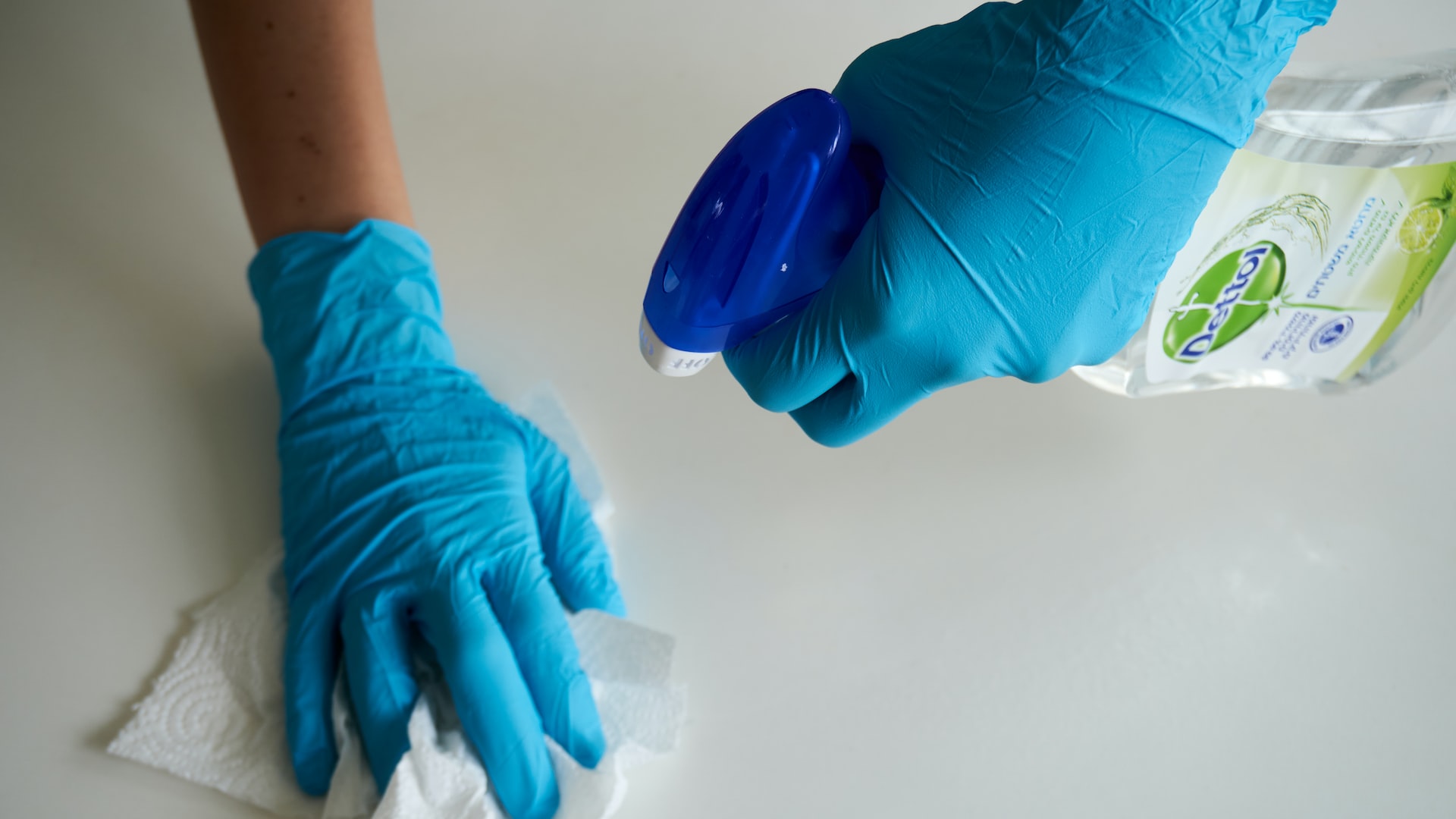
The spill usually happens just as life gets busy. A mug tips beside the sofa, a customer brings muddy footprints through the doorway, or the family dog chooses the living-room rug for an unfortunate surprise. Suddenly, a patch of flooring that barely registered yesterday becomes the first thing you notice when you enter the room.
For homes and small businesses in Whangarei, carpets work hard. They soften footsteps, make rooms feel welcoming, and collect the evidence of everyday life. Keeping them looking good is less about maintaining an impossible standard of perfection and more about knowing when to act, what to avoid, and when professional attention makes sense.
Whangarei Carpet Cleaning is a local company to consider when that attention is needed. Whether you are dealing with a fresh spill or thinking about a broader carpet refresh, understanding the basics helps you make better decisions and ask more useful questions. For stubborn marks, carpet stain removal in Whangarei can help restore your carpets and protect their appearance.
A Practical Approach to carpet stain removal in Whangarei
A carpet stain is not simply dirt sitting on a surface. Depending on the spill, material may settle between fibres, bind to them, or travel into the backing and underlay. That is why a mark can look better after a quick wipe, then reappear once the area dries.
Successful treatment depends on several things, including the carpet’s fibre, the substance involved, how long it has been there, and any products already applied. Coffee, cooking oil, tracked-in soil, and pet accidents do not all respond to the same approach.
Start with restraint rather than enthusiasm
The instinct to scrub is understandable, but vigorous rubbing can spread a spill and distort the carpet pile. A gentler first response is usually more useful.
For an ordinary household spill:
- Lift away solids carefully without pushing them further into the carpet.
- Blot liquid with a clean, white, absorbent cloth.
- Work from the outside towards the centre.
- Avoid soaking the area or mixing cleaning products.
- Check the carpet manufacturer’s care instructions before applying a treatment.
If you use an approved cleaning product, follow its directions and test it in an inconspicuous area first. Stop if you notice colour transfer, lightening, or a change in texture.
For an unknown substance, a large spill, or a valuable carpet, professional advice is often the safer starting point.
Be realistic about permanent changes
Not every visible mark is removable. Some substances change the colour of the fibre rather than simply leaving residue behind. Bleach, certain cosmetics, and strong chemicals can cause colour loss that cleaning cannot reverse.
Likewise, an old stain may have been altered by previous attempts to treat it. Tell your cleaner what happened and what you have already used, even if the answer involves several supermarket products and a hopeful internet remedy. That history helps guide the next step.
Why Routine Carpet Cleaning Matters
Carpets can look reasonably tidy while holding fine soil, hair, crumbs, and other debris below the visible surface. Regular vacuuming is essential, but it does not address every type of embedded material or sticky residue.
Professional carpet cleaning can complement everyday care by tackling soil that routine maintenance leaves behind. For a household, that may mean refreshing the main living area after a busy season. For a small business, it may mean dealing with the worn-looking route between the entrance and reception desk.
Appearance is only part of the picture
Grit caught in carpet can contribute to wear as people walk over it. Removing that soil is therefore part of caring for the flooring, not just improving its appearance.
However, cleaning does not rebuild flattened fibres or undo physical damage. A traffic lane may improve considerably after treatment while still showing wear under certain lighting. Clear expectations are more useful than promises of a carpet looking brand new.
A practical maintenance routine includes:
- Vacuuming regularly, with extra attention to busy areas.
- Using entrance mats to reduce tracked-in dirt.
- Responding promptly to spills.
- Following the manufacturer’s care requirements.
- Arranging professional attention according to use and condition.
Choosing Carpet Cleaners for Your Property
Inviting someone into your home or workplace requires confidence in both their process and their communication. The most useful questions go beyond price.
Ask how the carpet will be assessed, what preparation is needed, and whether any stains are likely to remain. Explain access issues, furniture arrangements, and the time by which the space needs to be usable.
Whangarei Carpet Cleaning provides a relevant local starting point for people comparing carpet cleaning services. Visit the company’s website, whangareicarpetcleaning.co.nz, to check current information and ask directly about methods, availability, pricing, and suitability for your flooring.
Look for an assessment rather than a blanket promise
Different carpets can need different treatment. Wool, synthetic fibres, patterned carpets, and older installations may raise different considerations around moisture, temperature, and cleaning chemistry.
A useful conversation with carpet cleaners should cover:
- The approximate age and type of carpet, if known.
- The rooms or areas requiring attention.
- Particular stains, odours, or previous treatments.
- Furniture that may need to be moved.
- Expected drying conditions and aftercare.
Photographs can help explain a problem before a visit, although they cannot always show its depth or cause.
Understanding Wet Carpet Cleaning
The phrase wet carpet cleaning can describe methods that use a cleaning solution and moisture to release soil. Hot water extraction, often casually called steam cleaning, is one example. Methods and equipment vary, so it is worth asking exactly what a provider proposes.
The aim is controlled cleaning followed by effective moisture recovery, not leaving the flooring saturated.
Drying is part of the job
When arranging a wet carpet cleaning service, discuss drying as carefully as the cleaning itself. Carpet construction, the amount of moisture used, extraction performance, airflow, humidity, and room temperature can all affect the result.
Whangarei’s humid periods make ventilation and sensible scheduling worth considering. A carpet may feel dry on top while moisture remains lower down, so follow the cleaner’s instructions rather than relying only on a quick touch.
Useful questions include:
- When can people walk on the carpet?
- Should windows be opened or mechanical ventilation used?
- When can furniture be returned?
- Are protective tabs needed under furniture legs?
- What should you do if the carpet remains damp longer than expected?
Flooding needs a different conversation
Routine cleaning should not be confused with restoring water-damaged flooring. Carpet soaked by a burst pipe, roof leak, or flood may require urgent assessment of the underlay, subfloor, and source of the water.
Contaminated water introduces additional risks. Do not assume that an ordinary cleaning appointment will make flood-affected carpet suitable to keep. Explain the situation clearly and seek an appropriate restoration assessment, along with insurer guidance where relevant.
When Deep Carpet Cleaning Makes Sense
Sometimes the issue is not a single spill but an overall sense that a room has lost its freshness. The carpet looks dull, the entrance has a darker track, or furniture has been moved to reveal a noticeable difference in colour.
Deep carpet cleaning may be worth discussing in these circumstances. Rather than focusing only on visible spots, the work should address the broader condition of the carpet using a method appropriate to its fibres and level of soiling.
Define what you want improved
If your goal is to deep clean carpet throughout a property, be specific about the areas and concerns. A spare bedroom with occasional use may need a different level of attention from a family room beside the garden.
Useful times to consider a thorough clean include:
- Before settling into a newly purchased home.
- After renovation dust has been properly removed.
- Following a period of heavy household use.
- Before an important gathering or busy business season.
- When routine vacuuming no longer improves the overall appearance.
Allow a drying buffer before guests arrive or normal business activity resumes. Scheduling the work at the last possible moment creates unnecessary pressure.
Making a Carpet Cleaning Service Work Around Daily Life
A little preparation can make an appointment smoother. Pick up toys, cables, shoes, and loose belongings. Identify fragile items and point out any loose seams or existing damage.
Do not assume that large furniture, electronic equipment, or stocked shelving will be moved. Agree on those details beforehand.
For busy households
Choose a time when children and pets can stay away from the work area. Plan a clear route through the property and think about which rooms you will need while others dry.
Point out pet accidents even if the marks are faint. Surface appearance does not always indicate how far a spill has travelled, and a fragrance is not the same as treatment of the underlying source.
For small businesses
Consider staff access, customer movements, and the location of desks or display units. Ask whether staged cleaning or a quieter appointment time is available rather than assuming after-hours work is offered.
A well-planned clean should fit the premises. A consultation room, retail shop, and shared office each have different practical needs, even when their carpets look similar.
Frequently Asked Questions
How often should carpets be professionally cleaned?
There is no single timetable for every property. Foot traffic, pets, children, business activity, and manufacturer guidance all matter. Busy entrances may need attention sooner than lightly used rooms. Ask for advice based on the carpet’s condition rather than relying only on a fixed calendar.
Can every stain be removed?
No. Results depend on the substance, fibre, age of the mark, and previous treatment. Some stains improve without disappearing completely, while colour loss and physical damage require a different solution.
Why has a spot come back after cleaning?
Residue deeper in the carpet can move towards the surface as moisture evaporates, a process often called wicking. Sticky cleaning residue may also attract fresh soil. Contact the provider, explain when the mark returned, and ask about the appropriate next step.
Should I hire a machine or book a professional?
That depends on the carpet, the problem, and your confidence using the equipment correctly. A hire machine requires careful product selection, moisture control, and drying arrangements. Professional assessment is particularly valuable for delicate fibres, persistent odours, large stains, or uncertainty about previous treatments.
Will cleaning remove pet odours completely?
Not always. If contamination has reached the backing, underlay, or subfloor, surface cleaning alone may be insufficient. Describe the history honestly and ask what can reasonably be achieved before agreeing to treatment.
Give Your Floors a Thoughtful Fresh Start
A cared-for carpet does not need to look untouched by life. It needs sensible maintenance, prompt attention to accidents, and realistic decisions about when extra help is worthwhile.
For Whangarei households and small businesses, the best next step is a clear conversation about the flooring, the problem, and the result you hope to achieve. Contact Whangarei Carpet Cleaning with those details, ask how the proposed work will be carried out, and leave room in the schedule for proper drying.
Thoughtful care now can make the whole space feel more welcoming, without turning every spill into a major event.